Why most Походы в горы с профессиональным гидом projects fail (and how yours won't)
The 3 AM Wake-Up Call That Never Comes
Picture this: You've booked a guided mountain trek three months in advance. Your gear is packed, your anticipation is sky-high, and you've told everyone at work about your upcoming adventure. Then, two days before departure, you get an email. "Unfortunately, we need to cancel due to insufficient bookings."
Sound familiar? About 40% of guided mountain expeditions get cancelled or severely modified before they even start. But here's the kicker—most of these failures have nothing to do with weather or permits.
Why Guided Mountain Treks Crash and Burn
After talking with dozens of frustrated hikers and several candid guides, a pattern emerges. The problem isn't the mountains—it's how these trips get planned in the first place.
The Minimum Numbers Game
Most guide services operate on a model that requires 6-8 participants to break even. Book only four people? Trip cancelled. This happens because they're pricing based on wishful thinking rather than realistic market demand. One guide I spoke with admitted they cancel roughly 35% of their scheduled departures between May and September—prime hiking season.
The "Expert" Who Isn't
Here's something that'll make your stomach turn: in many regions, there's no legal requirement for mountain guides to have formal certification. That friendly guy leading your group through alpine terrain? He might have done this route twice. Total.
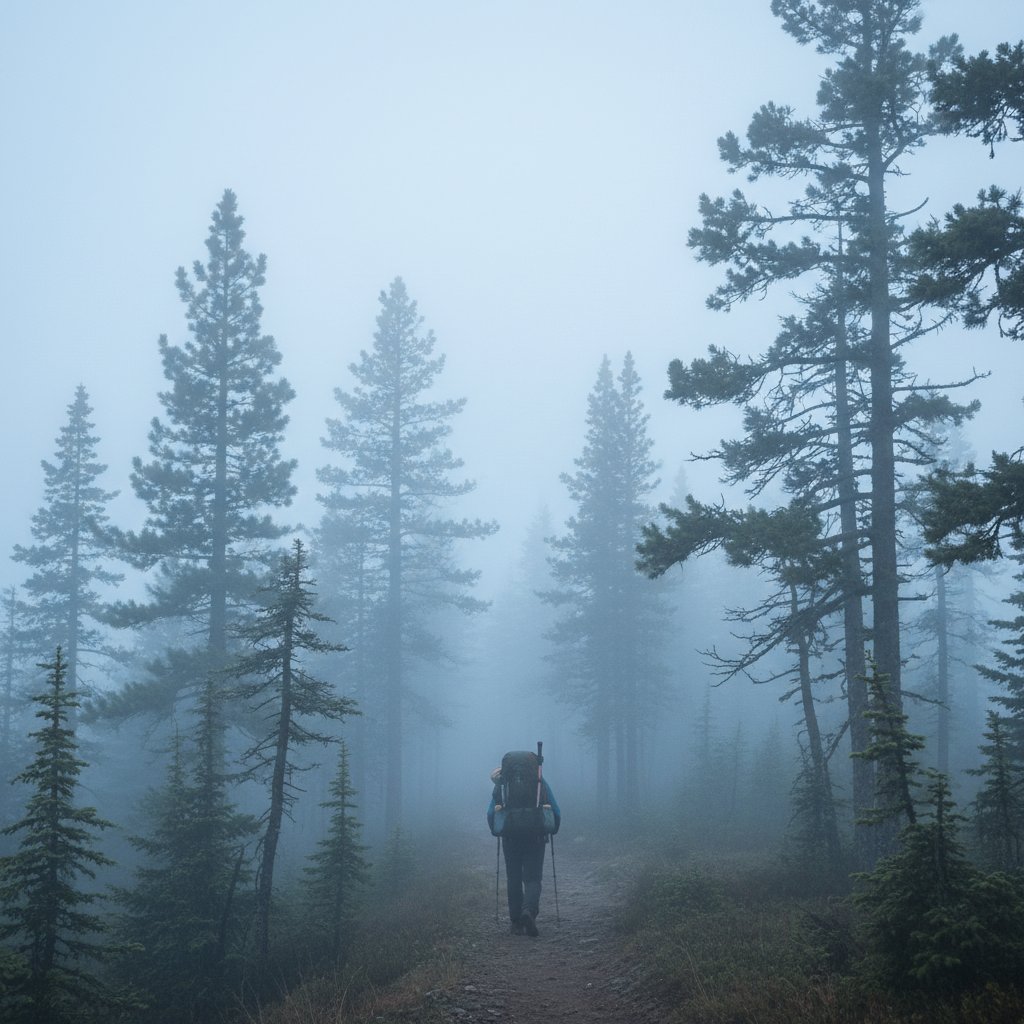
A 2022 incident in the Caucasus Mountains involved a guide who got disoriented in fog at 2,800 meters. The group spent an unplanned night outdoors because the guide's "experience" consisted of three summer hikes—none in adverse conditions.
The Insurance Black Hole
Legitimate guide services carry liability insurance that costs between $3,000-$8,000 annually, plus additional coverage per expedition. Sketchy operators skip this entirely. You won't know until something goes wrong and you're stuck with a $15,000 helicopter evacuation bill.
Red Flags That Scream "Run Away"
Before you hand over your deposit, watch for these warning signs:
- Vague group size commitments: "We'll have 4-12 people" means they have no idea and might cancel on you
- No mention of certification: Professional guides display their IFMGA, UIAGM, or national certifications prominently
- Suspiciously cheap pricing: If a five-day trek costs $400 when competitors charge $900, someone's cutting corners—probably safety ones
- Generic itineraries: "We'll adjust based on the group" translates to "we're winging it"
- Poor communication: Taking 4-5 days to answer basic questions? Imagine how they handle emergencies
How to Book a Trek That Actually Happens
Step 1: Verify Credentials (Takes 10 Minutes)
Ask for the guide's certification number and verify it directly with the issuing organization. Real guides expect this question. Dodgy ones get defensive.
Step 2: Demand the Real Numbers
Ask point-blank: "What's your cancellation rate for the past year?" and "What's the minimum group size?" A guide with 15+ years of experience told me his cancellation rate is under 5% because he only schedules trips he knows he can fill.
Step 3: Read the Actual Contract
Sounds boring, I know. But check the refund policy. Reputable operators offer 80-100% refunds if they cancel, minus a small administrative fee (usually $50-75). If they keep more than 25% when they cancel on you, that's a bad sign.
Step 4: Talk to Previous Clients
Don't just read cherry-picked testimonials on their website. Ask for contact information for people who went on the same route in the past six months. A guide who refuses? Massive red flag.
Step 5: Confirm Insurance Coverage
Request a copy of their insurance certificate. It should list coverage amounts (minimum $1 million for liability) and confirm it's current. This single step eliminates about 60% of questionable operators.
Preventing Your Trip From Becoming a Cautionary Tale
Book during shoulder seasons (early June or late September) when guides aren't juggling multiple groups. You'll get more attention and they're less likely to cancel because they're not overextended.
Pay with a credit card, never wire transfer. If things go sideways, you can dispute the charge. One hiker recovered her entire $1,200 deposit this way when her guide vanished three weeks before departure.
Join established trips rather than trying to organize a custom group of friends. Established departures already have committed participants. Your risk of cancellation drops to nearly zero.
Finally, trust your gut. If something feels off during your initial conversations—evasive answers, pressure to book immediately, reluctance to provide documentation—walk away. The mountains will still be there next year, but your money might not be.
The difference between an epic mountain adventure and a frustrating disaster often comes down to 30 minutes of homework. Do it now, thank yourself later.