Походы в горы с профессиональным гидом: common mistakes that cost you money
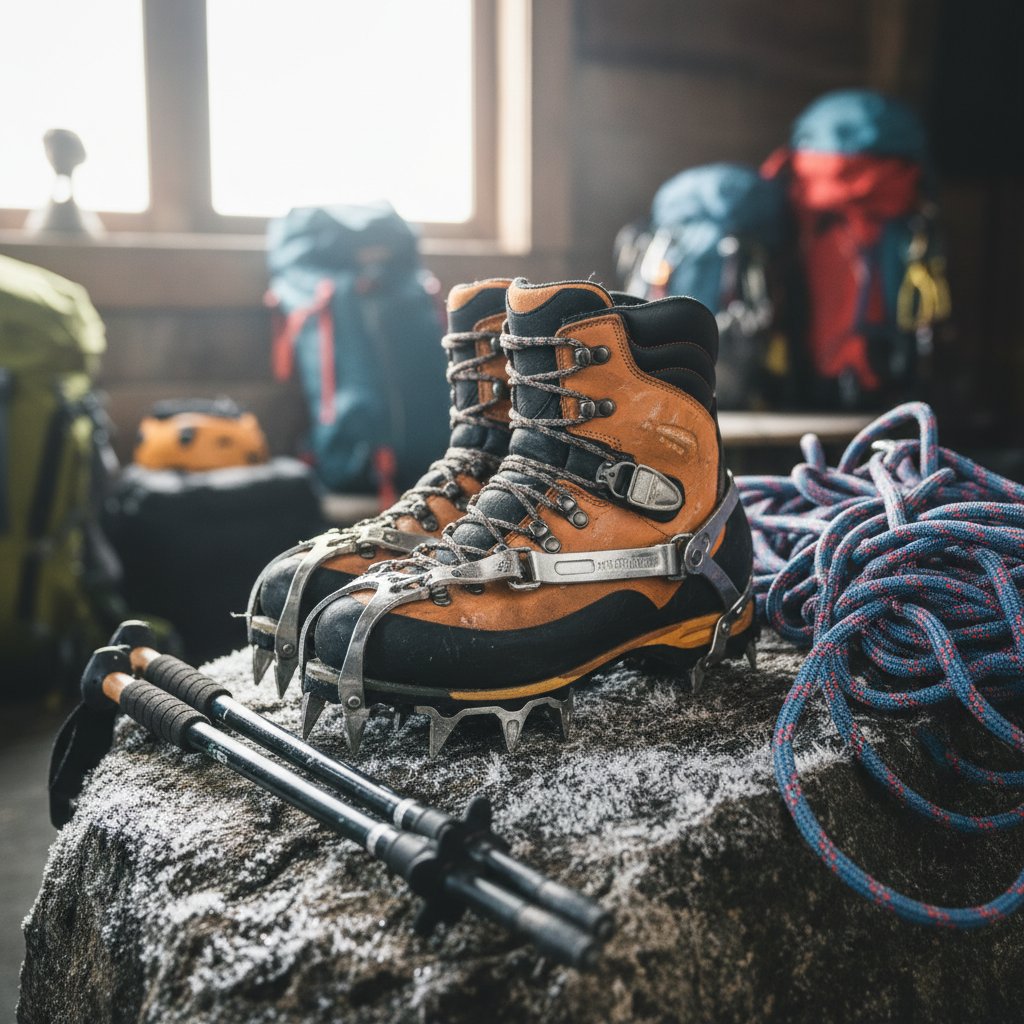
Mountain Trekking With Professional Guides: The Expensive Mistakes You're Probably Making
Here's the thing about hiring a mountain guide: most people approach it completely backwards, then wonder why they're hemorrhaging cash on what should be a straightforward adventure. I've seen trekkers blow an extra $500-800 per trip on mistakes that could've been avoided with some basic homework.
The biggest misconception? That going DIY saves money, or that all guided experiences deliver the same value. Neither is true. Let me break down what actually happens when you choose between booking a professional guide versus winging it yourself.
The DIY Approach: Going Solo or With Amateur Guides
The Upside
- Lower upfront costs: You'll save $150-300 per day by skipping professional guide fees
- Complete flexibility: Change your route, pace, or schedule without consulting anyone
- Personal achievement: There's genuine satisfaction in navigating mountains independently
- No group dynamics: Skip the slow hikers, the complainers, and forced socializing
The Downside (Where Your Money Actually Disappears)
- Equipment redundancy: Most DIY trekkers buy gear they'll use once, spending $400-600 on items a guide would provide
- Route inefficiency: Wrong turns add 20-30% more hiking time, burning through extra food and accommodation costs
- Weather miscalculations: Getting stuck in unexpected conditions means emergency shelter rentals at 3x normal prices
- Permit confusion: Missing required documentation can mean $200-500 in fines or forced route changes
- Medical risks: Altitude sickness or injuries without proper support lead to evacuation costs averaging $3,000-10,000
- Time waste: Spending 15-20 hours researching routes, conditions, and logistics has real opportunity cost
The hidden killer? Insurance gaps. Standard travel policies often exclude mountain activities above certain elevations, leaving you exposed to five-figure rescue bills.
The Professional Guide Route: Paying For Expertise
The Upside
- All-inclusive pricing: One payment typically covers permits, specialized gear, emergency support, and route planning
- Safety infrastructure: Guides carry satellite communication, first aid certification, and evacuation protocols
- Local knowledge: They know which water sources are safe, where weather turns dangerous, and shortcuts that save 4-6 hours
- Group equipment: No need to buy $150 crampons or $200 ice axes you'll never use again
- Success rates: Professional-led groups reach summit goals 70-85% of the time versus 40-50% for DIY attempts
- Cultural access: Guides open doors to local communities and experiences tourists miss entirely
The Downside
- Higher daily rate: Expect $200-450 per person per day depending on difficulty and location
- Fixed schedules: You're committed to specific dates, making last-minute changes expensive ($50-100 rebooking fees)
- Group compromises: Your pace matches the slowest hiker, potentially cutting 30-40% off your preferred distance
- Less spontaneity: That interesting side trail? Probably not on the itinerary
Cost Comparison: 7-Day Mountain Trek
| Expense Category | DIY Approach | Professional Guide |
|---|---|---|
| Guide/Planning Fees | $0 | $1,400-2,100 |
| Equipment Purchase/Rental | $400-600 | $0 (included) |
| Permits & Documentation | $150-250 (if done correctly) | $0 (included) |
| Accommodation | $280-420 | $0 (included) |
| Food & Water | $200-300 | $0-100 (mostly included) |
| Emergency/Contingency | $0 budgeted (risk exposure: $3,000+) | $0 (covered by guide insurance) |
| Transportation to Trailheads | $150-300 | $0 (included) |
| Total Visible Cost | $1,180-1,870 | $1,400-2,200 |
Look at those numbers carefully. The DIY approach appears cheaper by $220-330, but that's before accounting for the gear you'll never use again, the inefficiency tax from wrong turns, and the massive risk exposure.
The Real Verdict
Professional guides make financial sense for anyone attempting technical routes, unfamiliar terrain, or high-altitude treks above 3,500 meters. The 15-25% price premium buys you risk mitigation worth thousands.
Go DIY only if you're experienced with mountain navigation, already own proper gear, and stick to well-marked, low-elevation trails. Even then, consider hiring a guide for the first day to learn local conditions—most offer single-day rates of $120-200.
The most expensive mistake? Choosing based solely on upfront cost without calculating the true total. That "cheap" DIY trek becomes very expensive when you're paying for helicopter evacuation because you didn't recognize altitude sickness symptoms.
Smart trekkers treat guide fees as insurance premiums. You're not just paying for someone to show you the path—you're paying for the accumulated knowledge that keeps you from making $3,000 mistakes.